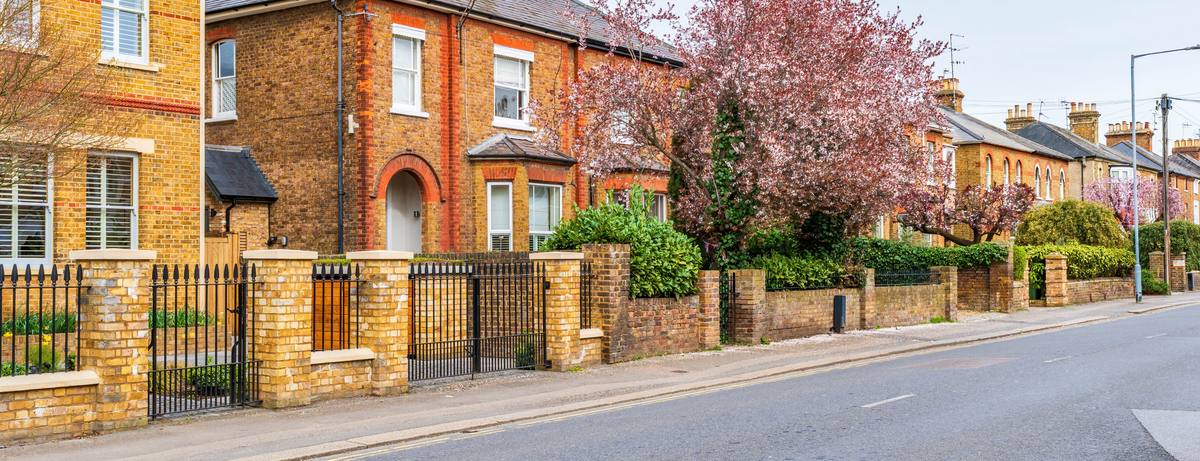
Do I need planning permission for a front wall or fence?
A new wall, fence or gate doesn't need planning permission if it's no more than 1m tall next to a road used by vehicles, or 2m tall anywhere else. Replacing an existing one at the same height is fine too. These rights apply to flats as well as houses, but not around a listed building.
How high can a fence or wall be without planning permission?
- Next to a road used by vehicles (including the pavement beside it): up to 1m tall.
- Anywhere else, including between back gardens: up to 2m tall.
- Replacing an existing wall or fence: up to the height of the old one, even if that's taller than the limits above.
- Not around a listed building, and often removed in conservation areas by an Article 4 direction.
What are the permitted development rules for walls, fences and gates?
- Next to a road used by vehicles, a new wall, fence or gate can be no more than 1m tall (unless it is no taller than the one it replaces). Schedule 2, Part 2, Class A, Part 2, Class A.1(a) and (c)
- Away from a road, a wall, fence or gate can be no more than 2m tall (unless it is no taller than the one it replaces). Schedule 2, Part 2, Class A, Part 2, Class A.1(b) and (c)
- Not around, or within the grounds of, a listed building.
- A new dropped kerb or driveway opening onto the road needs separate permission from the council's highways team, and a new access onto a main road may need planning permission.
What counts as next to a road?
The 1m limit applies where the wall or fence is next to a highway used by vehicles. That includes the pavement or verge beside the road, so it covers most front garden walls. A wall next to a footpath or alleyway that isn't used by vehicles has the 2m limit. The height is measured from the ground on your side, and includes posts, piers and any trellis on top.
Can I replace a fence at the same height?
If you're replacing an existing wall or fence in the same place, the new one can be as tall as the old one, even if that's over 1m next to a road or over 2m elsewhere. Take photos and measurements of the old one before you take it down, in case anyone questions the height later.
In a conservation area, taking down an existing wall, fence or gate can count as "relevant demolition", which needs planning permission. Whether it does depends on its height and where it is, so check with your council before removing one.
Is there a height limit for hedges?
Planting a hedge isn't development, so there are no planning height limits on it. However, councils can take action over high hedges that cause problems for neighbours under the Anti-social Behaviour Act 2003.
Do I need permission for a dropped kerb or driveway?
Making a new opening in a front wall to park a car usually needs a dropped kerb, which needs permission from the council's highways team. A new access onto a main road may also need planning permission. Paving a front garden of more than 5 square metres needs permeable paving, or drainage into the garden, to stay permitted development.
Check your own address: put a pin on your house and we'll look up the conservation areas, listed buildings, Article 4 directions and other designations there.
Check my front wall, fence or gateWhere are the rules stricter?
- Front walls, fences and gates in a conservation area
- Listed buildings
- Article 4 directions
- Conservation areas and Article 4 directions by council
Do I need building regulations approval?
Planning permission and building regulations are separate. Planning is about whether you can build it and how it looks; building regulations are about whether it is built safely (structure, fire safety, insulation, drainage). Permitted development only covers planning, so you may still need building regulations approval.
Walls, fences and gates don't usually need building regulations approval, but a tall or retaining garden wall must be built safely. If it is on the boundary line, agree it with your neighbour and check the Party Wall etc. Act 1996.
How can I prove I don't need planning permission?
If you're confident your project is permitted development, you can apply to your council for a Lawful Development Certificate. It's a formal confirmation that the work is lawful without planning permission, it costs less than a planning application, and it's useful when you come to sell the house. If you're not sure, many councils offer pre-application advice.